Recently, I wrote about the Death of the Pitch Event and laid out the case for why pitch events are overrated and why people looking to support startups should look to other formats.
Unfortunately, the pitch event is not the only common startup program element that has crossed my ire and fallen within my sights. There's another one, perhaps even worse, because it refuses to provide real value to founders, no matter how much it tries.
Of course, I'm talking about the panel. Potentially offended readers should know that I am not talking about fireside chats, which can be quite relevant. But for the panel, as we say in my hometown, "it's open hunting season"!
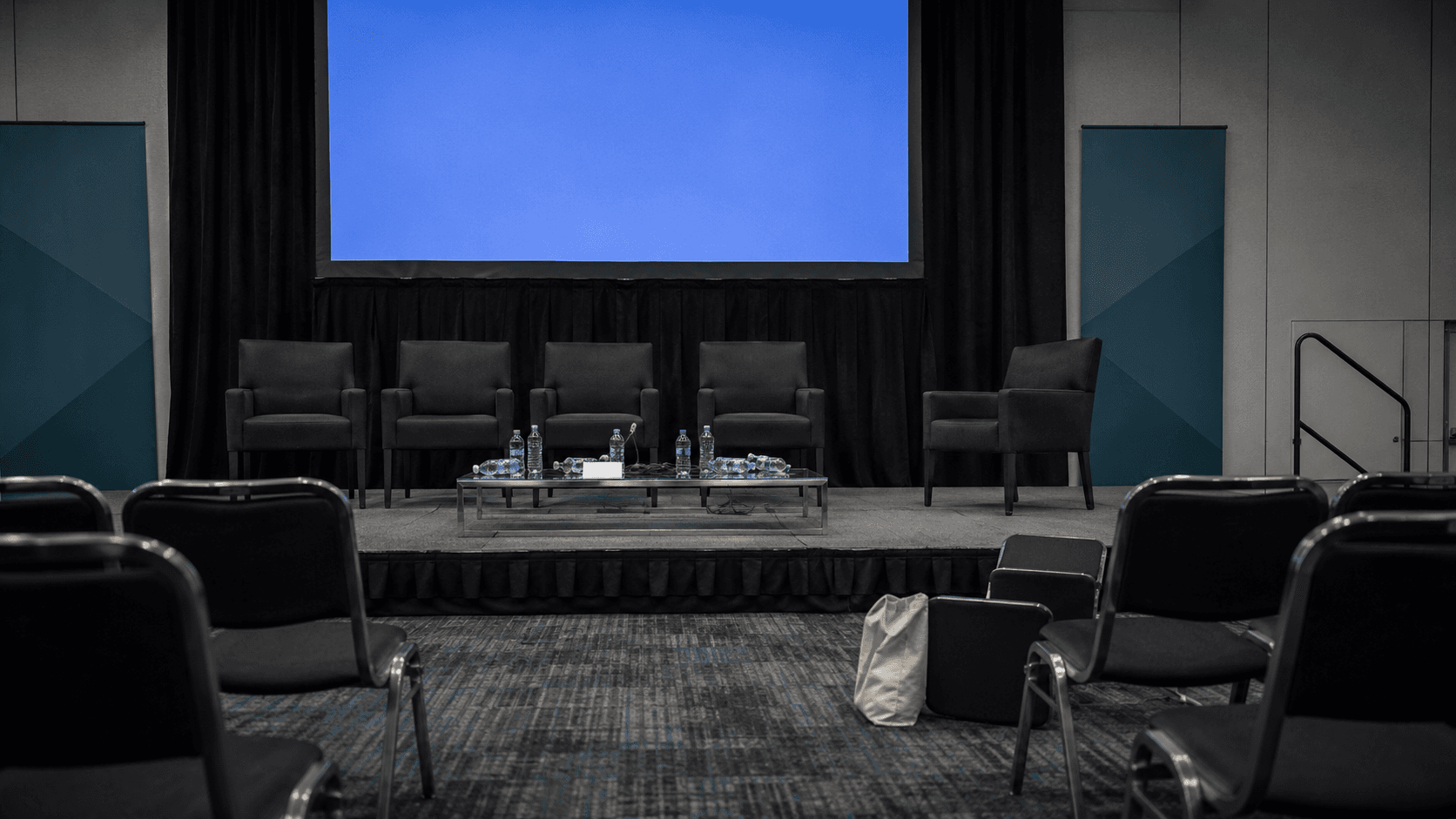
The boring, popular, never desired (but always in supply), staged showcase of experts holding mics while sitting (or standing) on chairs whose comfort levels range from awkward to gaudy, commonly known as: the panel.
The panel is never small enough to be reasonable. It's always at least 3 people plus a moderator, e.g., 2 people too many. The panels where politics play a role get even worse—they often have 5 people or more on stage.
Often you'll see government officials, investors, corporates, and other "important" people on them, but with definitely less than 50% representation by actual founders and entrepreneurs. (Please keep in mind as context: I'm focusing on panels within the EU entrepreneurial ecosystem for this piece.)
The panel is a relatively easy format to run. Hence why so many employ it at conferences, on stages, and at accelerators. Simply put, it's easy to adjust the size. You can invite six people, and whether two or six show up, you have a panel. No one knows how many of the good speakers you tried to get who didn't show up, because you still have a panel.
Often panels are an appeasement for unaware sponsors. "Thanks for giving us money, you can have a seat on this panel!" A decision that, in most cases, inevitably makes the panel worse, not better. It's also why the entire team of students at SLUSH has figured out that no one should be allowed to pay to be on panels, and wrote it into their core playbook for all SLUSH events across the globe. Perhaps we have something worth learning from the youth here.
The actual takeaways from a panel are almost always limited. Most panelists spend the time for self-promotion and sharing their views, with inevitably one or two extremely skilled people holding onto the mic much longer than intended. This is often exacerbated by a moderator who, while sometimes good, more often than not is also there to be appeased, because they were second best to being on the panel. They ask vague, easy-to-answer questions, either because they haven't bothered to research the subject or because they feel intimidated to ask tough questions of the panelists (e.g., the sponsors writing the checks).
Occasionally, panels can be lively. The best panels are when two people vehemently disagree with each other and proceed to argue it out in front of the audience, while the moderator keeps them from physical altercations. I find those panels to actually produce valuable perspectives and interesting insights. Unfortunately, they are about as common in Europe as an 8-figure seed round or a publicly funded startup program that creates unicorns. It happens, but it's rare!
I was at an event in Paris a few weeks ago, hoping to meet interesting founders and stakeholders from the French entrepreneurial ecosystem to network, chat, and discover new topics. Unfortunately, after a few extremely boring presentations announcing the sponsors, the majority of the event was taken up by a panel that had not one, not two, not three, but four panelists, plus a moderator.
Most of the panelists were not entrepreneurs. They kept their insights vague, unoffensive, and uncontentious. The contentious part, if any, was the amount of complaining they did, as one often observes in Europe, about how bad things are for startups, why everything is over-regulated and hopeless, and with little action for the audience to take to solve the problems.
I looked around at the eyes of the entrepreneurs in the room, and I saw their souls bleeding out. They had participated hoping to find customers and investors, and instead were listening to people proclaim how bad everything was. Not really what you want to hear as a founder trying to build a company! (I think most founders are well aware of how hard it is to build a startup without any additional support on that topic.)
My time felt wasted as well. I had rushed there through traffic in near 40C heat. I was hungry. I had hoped to network with interesting people, but instead spent the next hour listening to panelists ramble on about how everything is f***ed, much like this blog rambles on about panels and over-exaggerates the point.
If I'm being realistic, I don't think we'll see an end to the panel anytime soon. Probably the people that will read this blog are already stopping panels in their events. A few of you might now be inspired to do so. Everyone else, unlikely!
The truth is, panels are great for everyone—except the actual panel watchers. Moderators feel important and get to meet important people. Panelists feel important and get to meet each other. Government officials feel important on panels. Most officials ask for panels when you run startup programs, especially during events, and they want to be featured in those panels, often taking seats from founders and other interesting personas.
And everyone on the panel stage has a great time talking about what they think is right, true, or important, with a little "shameless self-promotion" sprinkled in to help. The after-photos also never hurt. And of course, panels make for galvanizing, riveting, and engaging LinkedIn content after the event.
Cue the post stating "I'd like to thank Person X and Mrs. Y and Mr. Z, my fellow panelists," along with phrases sprinkled with words like "inspiring", "gratitude", and "insightful". Dear God, please make it stop!
Can we be honest for a moment? Are panels truly the best way to absorb the time of the entrepreneurs that most of these events purport to help?
At most, do a fireside chat with someone who has interesting lessons to share. They don't even have to be a successful founder. If there's an interesting character involved, it will be an interesting conversation, and potentially even create time for the audience to ask this person interesting questions!
Or, simply devote the entire time to networking. If you require more format and structure, do structured networking. Don't know what structured networking is? Do some research; it's awesome!
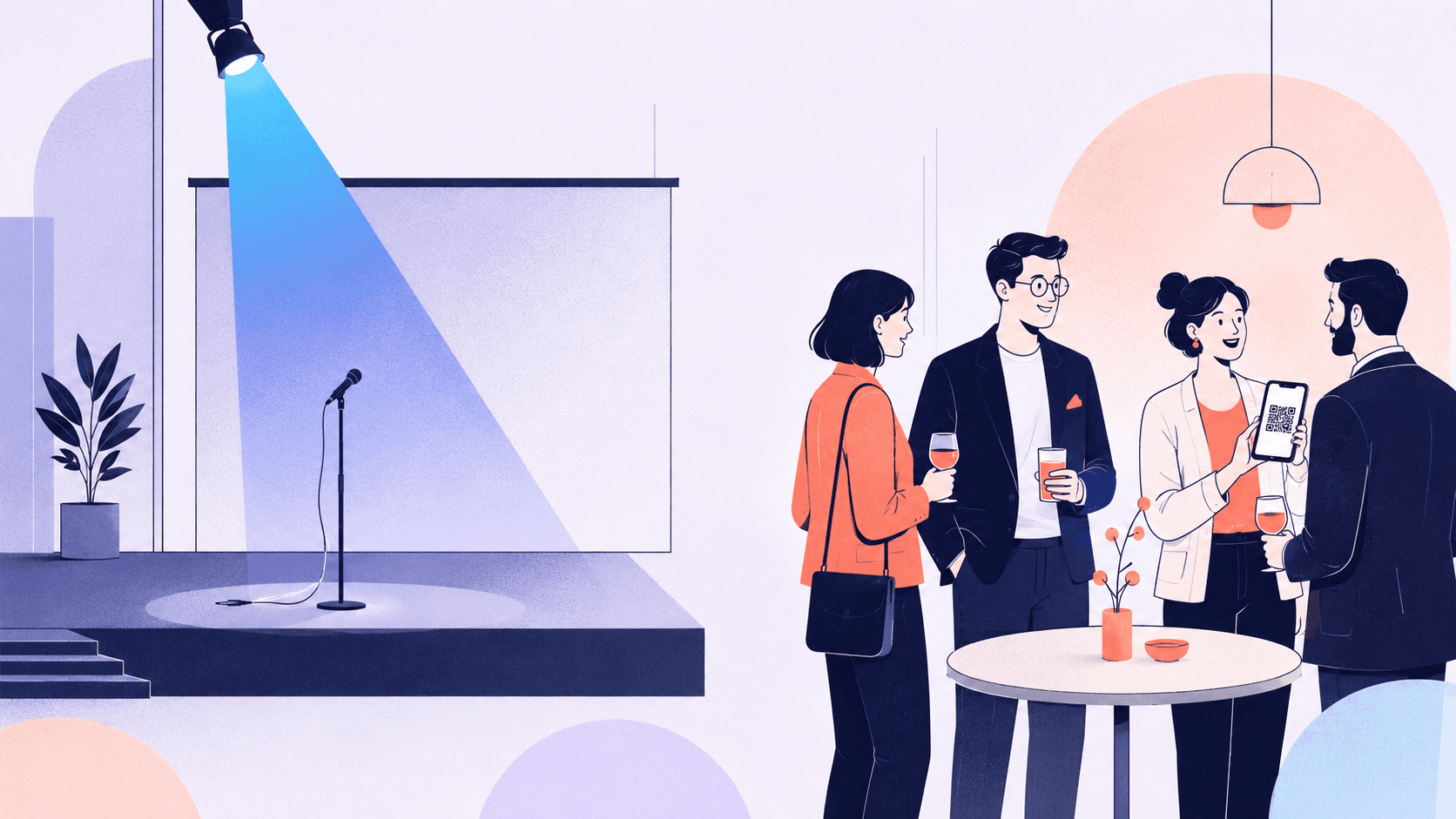
Better yet, just host an event around food, drinks, and good background music. Watch the reviews come in, and business outcomes go off the charts!
But why, in the name of all things holy, must we do panels? They create little value, and beyond the AI-generated LinkedIn posts, they serve almost no future outcome.
My final plea, in this tiresome blog written to intentionally mirror how you feel at a panel: if you're working to help startups in your ecosystem, please kill the panel!
Your founders will thank you!